Journal
What Are The Different Types Of Packaging Material?
Attractive packaging is the driving force behind sales. Every business works towards standing out in the market as a top tier company. But, what makes you the best among all starts with how you pack your products. Therefore, packaging and printing plays a vital role in your company’s success. Being a business owner, are you also wondering about what kind of packaging material to go for? Packaging material is the most crucial aspect of packaging industry. So, let’s dig into this article and gain an insight about different types of packaging materials.
Quick guide · updated 29 September 2026
Cardboard vs cardstock: what is the difference?
Cardstock is a single, thick sheet of paper board; cardboard is the everyday name for heavier board — usually corrugated (a fluted layer between two liners) or solid grey board. Cardstock prints and folds beautifully and is used for retail cartons and cards. Cardboard is thicker and stiffer, and is used where a box has to carry weight, survive the post or feel substantial in the hand.
| Cardstock (paperboard) | Corrugated cardboard | Rigid grey board | |
|---|---|---|---|
| What it is | One solid sheet of heavy paper board | A wavy fluted layer glued between flat liners | Dense, solid board, usually wrapped in printed paper |
| Typical thickness | 0.25–0.71 mm (10–28 pt) | about 0.8–4 mm, depending on flute (F to C) | about 1–3 mm |
| Typical weight | roughly 200–450 gsm | measured by board grade rather than gsm | heavy; measured by thickness |
| Stiffness | Holds its shape; folds cleanly | Strong and cushioning; resists crushing | Very stiff; does not fold flat once made |
| Print quality | Sharpest detail and colour | Good; very fine detail can soften on the flutes | Excellent (printed on the wrap paper) |
| Ships flat? | Yes | Yes (mailers and shipping boxes) | Usually no — made up as a box |
| Best for | Retail cartons, cosmetics, food cartons, header and blister cards | Mailer and shipping boxes, subscription boxes, heavier products | Luxury and gift boxes, magnetic and two-piece boxes |
When to choose cardstock
- Your box sits on a shelf or goes inside another carton — for example tuck end boxes, folding cartons and most cosmetic packaging.
- You want the sharpest print, fine text or small details.
- You are making cards rather than boxes, such as header cards or blister cards.
When to choose corrugated cardboard
- The box goes through the post on its own — mailer boxes and shipping boxes.
- The product is heavy or fragile and needs cushioning.
- You want a strong box that still ships flat. See all corrugated packaging.
When to choose rigid board
- The box is part of the gift — a rigid box with a magnetic flap or lift-off lid feels substantial and is often kept.
- You need a box that keeps its shape on display. Our guide to rigid boxes explains how they are built.
Thickness: points to millimetres
In North America, board thickness is often quoted in points (pt), where 1 pt is one thousandth of an inch (0.0254 mm). Elsewhere it is usually given in microns or millimetres, or described by weight in gsm. The same gsm can come in slightly different thicknesses, because density varies from board to board.
| Points (pt) | 10 pt | 12 pt | 14 pt | 16 pt | 18 pt | 20 pt | 24 pt | 28 pt |
|---|---|---|---|---|---|---|---|---|
| Millimetres | 0.25 mm | 0.30 mm | 0.36 mm | 0.41 mm | 0.46 mm | 0.51 mm | 0.61 mm | 0.71 mm |
Finishes on each material
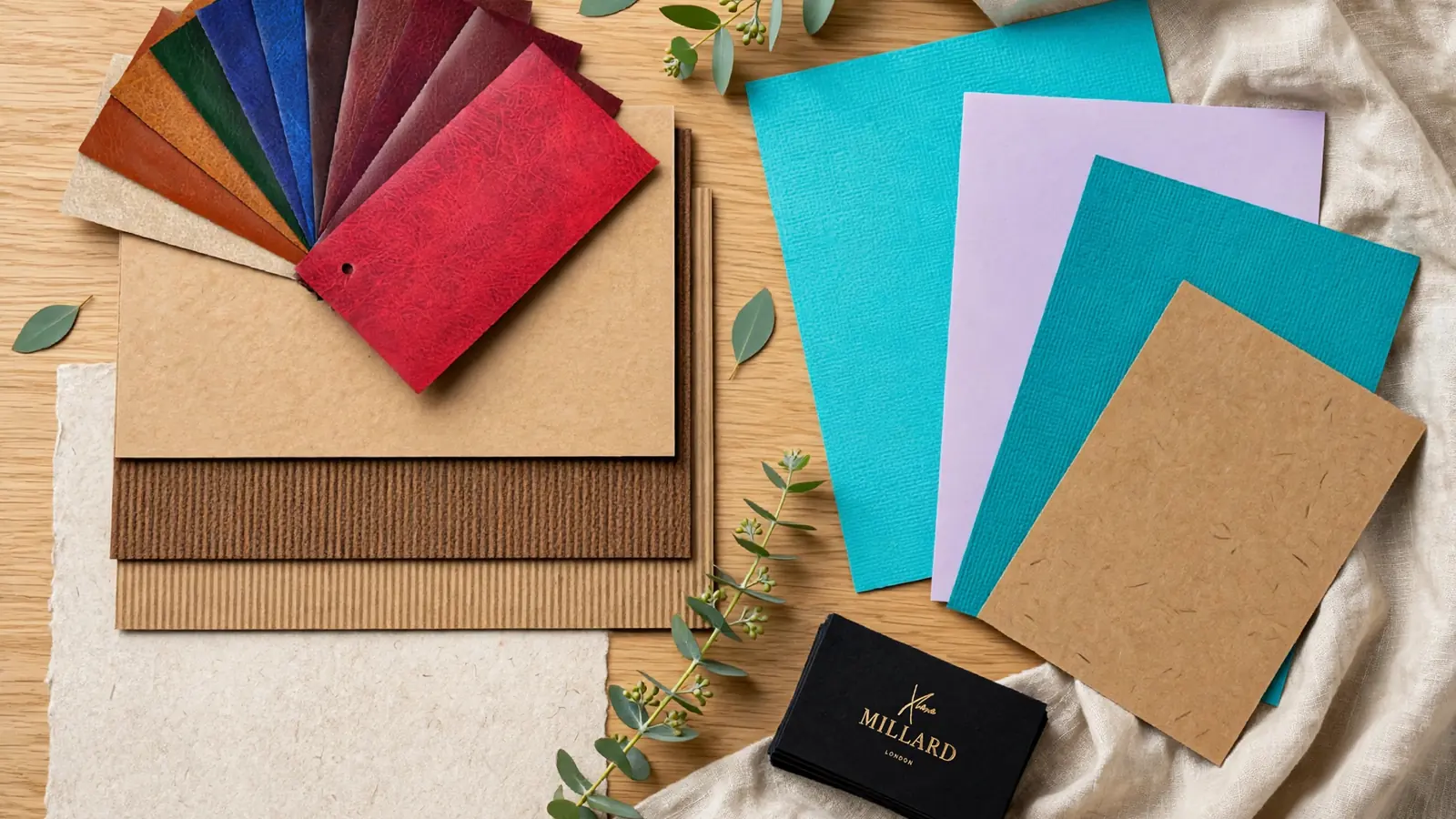
Both cardstock and cardboard take the same finishes: matte or gloss lamination, soft-touch, spot UV, foil stamping, embossing and debossing, and windows. Finishes look crispest on smooth cardstock and on rigid box wrap paper. On corrugated board, bold shapes work better than hairline detail. Kraft — unbleached brown board — is available as cardstock or as corrugated, for a natural look.
Not sure which your product needs? Tell us what goes in the box and how it ships, and we will recommend the material with your quote. Measure the product first with our box measuring guide.
Get a quoteWhat Is The Importance Of Packaging?
A packaging material protects your product until it is delivered to the customer. There are numerous packaging materials circulating in the market. But, what matters the most is the appearance and the protection it provides to your items.
Major Types Of Packaging Materials
With circulation of numerous packages in the market, some of the most common ones are:
Cardboard Material
Cardboard boxes are the most common types of the packaging. They are highly talked about being the most durable and easily found packaging material. Cardboard boxes are studied to be taking the pressure of the environment, such as, shock without compromising the protection of the product. Corrugated and bux board is also a type of cardboard box with high durability in comparison to the paper based boxes that you will read ahead. Cardboard material is found to be providing ultimate safety to the parcel. From availability of the basic cardboard boxes to various designs, colours and sizes of cardboard boxes can be seen in packaging industry all around the globe.
Corrugated Material
Corrugated cardboard is made from cellulose fibre that is derived from the cardboard or other raw material. It is also called a type of card board material made up of liners and mediums to give it a firm and stronger abilities. Corrugated material comes in numerous shapes, designs and sizes to fulfill all the custom requirements of the customer. Corrugated is considered to be the one stop solution for good packaging of almost all the products.
Cardstock Material
To tell you in simpler words, cardstock is a material made up of thicker and stronger type of paper. In comparison to the cardboard and paperboard it is thinner and is considered to be best for art equipment’s packaging. Cardstock with the help of aesthetic characteristics gives an embellished look to your packaging. Not only the better look but the eco-friendly and reusable qualities of cardstock also make them the best choice in the market of packaging.
Rigid Material
Rigid material has a great potential to become one of the best in packaging industry. Rigid Boxes are mostly found in the retail stores as they are easy to carry various items such as books, toys and stationary. Rigid boxes increase time and cost of production staying behind in the market. Despite people going for flexible packaging, rigid material is the need in the market due to its protective capabilities. Rigid material is found in numerous forms, such as:
- Rigid plastic packaging: this packaging is used as clamshells, blister packaging, thermoformed packaging bottles, crates and cans. This can be used for numerous items, such as clamshells are mostly used to keep fruits and vegetables at the supermarkets.
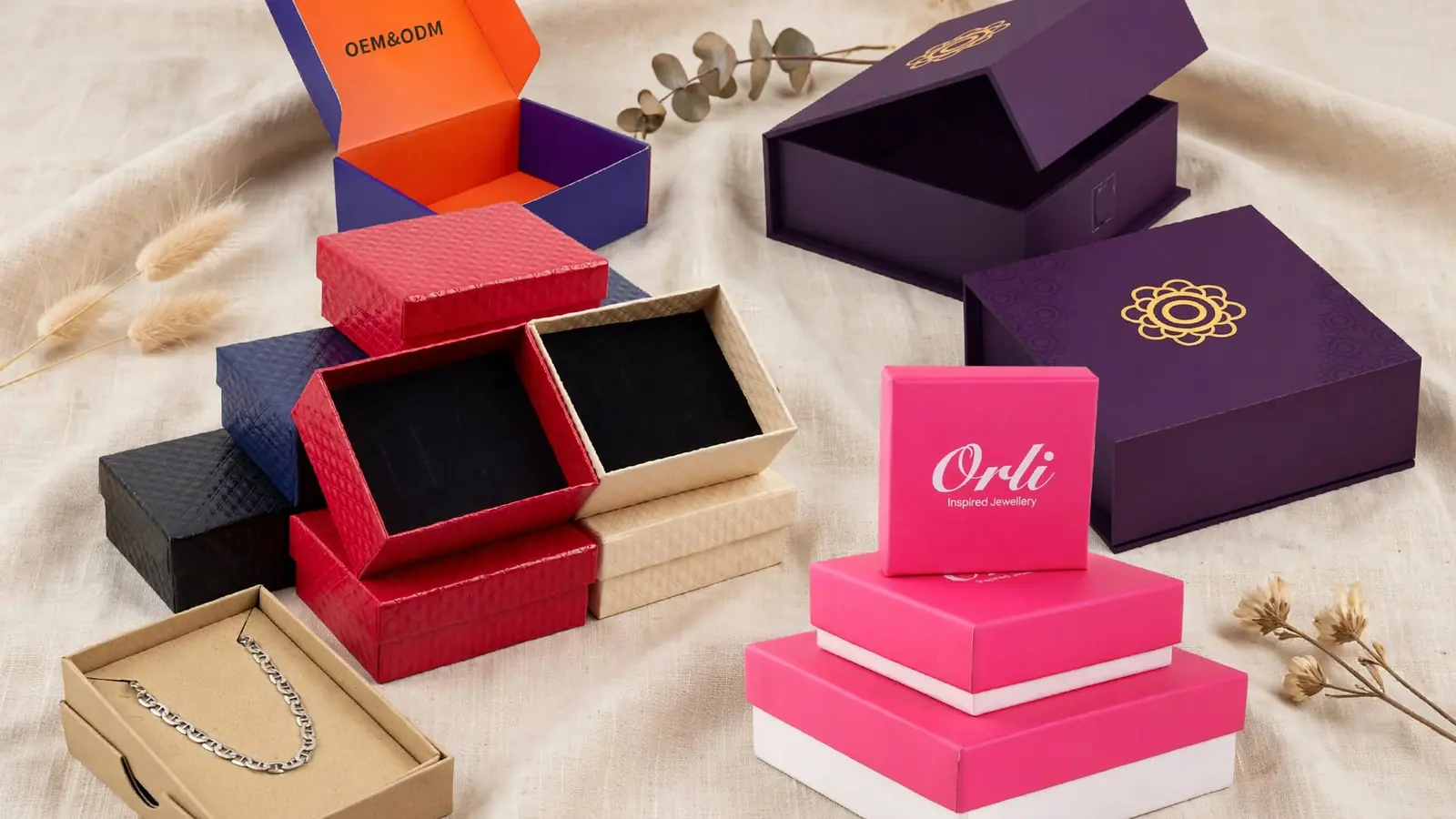
- Rigid boxes: these boxes are used to keep expensive and precious products, such as, jewellery, cosmetics, skincare and other types of gifts. Rigid boxes are efficient enough to protect your precious products.
- Glass and metal: these rigid materials are used to pack food, beverages and other liquid items. Glass being fragile is kept with care and metal being strong keeps your material safe from dust, dirt, UV rays and other external factors.
- A lot of rigid materials are reusable and recyclable making it a great choice for customer.
What Is The Importance Of Packaging?
Storing or shipping products without packaging is nearly impossible, which is why packaging plays a huge role. The adequate packaging makes numerous things achievable, such as, protection of your product and sound delivery. Keeping both the benefits alive, it gives rise to the sustainability of your product, making profits of your business higher.
Benefits Of Using Quality Packaging Material
Your product is definitely the second thing that a customer sees, the first thing that a customer notices is the packaging. A good customised packaging immediately lifts up the mood of your customer, making him attracted towards the product even more with a sense of personal interest. Spending a handsome amount in production, but not using a quality packaging for your product is definitely a stupid idea. So, contact us to get the best packaging materials for any of your product.
Frequently asked questions
What is custom packaging?
It is the packaging designed and printed with the logo of your brand to give it a customised essence.
Does the packaging effect my product?
Yes, a packaging creates great impact on your product making it look good as well as bad.
What are the top most benefits of packaging?
Packaging has several benefits where customisation and protection being top on the list.
What is most recommended type of packaging?
There is no specific answer to this question, as every type of packaging depends upon the product you manufacture.
What is the most important product used in packaging industry?
Cardboard is the most important material that is being used in the packaging industry till date.
Is cardstock the same as cardboard?
No. Cardstock is a single thick sheet of paper board, typically 0.25–0.71 mm (10–28 pt). "Cardboard" usually means heavier board — most often corrugated, with a fluted middle layer — or solid grey board used in rigid boxes.
Which is stronger, cardboard or cardstock?
Corrugated cardboard and rigid grey board are much stronger and stiffer than cardstock. Cardstock is strong enough for retail cartons and cards, but for boxes that travel through the post on their own, corrugated board is the usual choice.
Is cardstock good for boxes?
Yes, for lighter products and retail display. Most cosmetic boxes, tuck end cartons and food cartons are cardstock (paperboard) because it prints sharply and folds cleanly. Heavy or fragile products that ship without an outer carton need corrugated board.
What does pt mean for card thickness?
A point (pt) is one thousandth of an inch, or 0.0254 mm. A 16 pt card is about 0.41 mm thick and a 24 pt card about 0.61 mm.
Is kraft paper cardboard or cardstock?
Kraft describes the unbleached brown fibre, not the construction, so it can be either: kraft cardstock for cartons and cards, or kraft corrugated for mailer and shipping boxes.